Culvert, Headwall & Outfall Repairs
Targeted isolation for repair and maintenance at culvert faces, headwalls, and outfall structures in live watercourses.
Temporary Dams & Water Control
Targeted water control for structures where conventional dams aren’t practical.
LIMPET DAMS
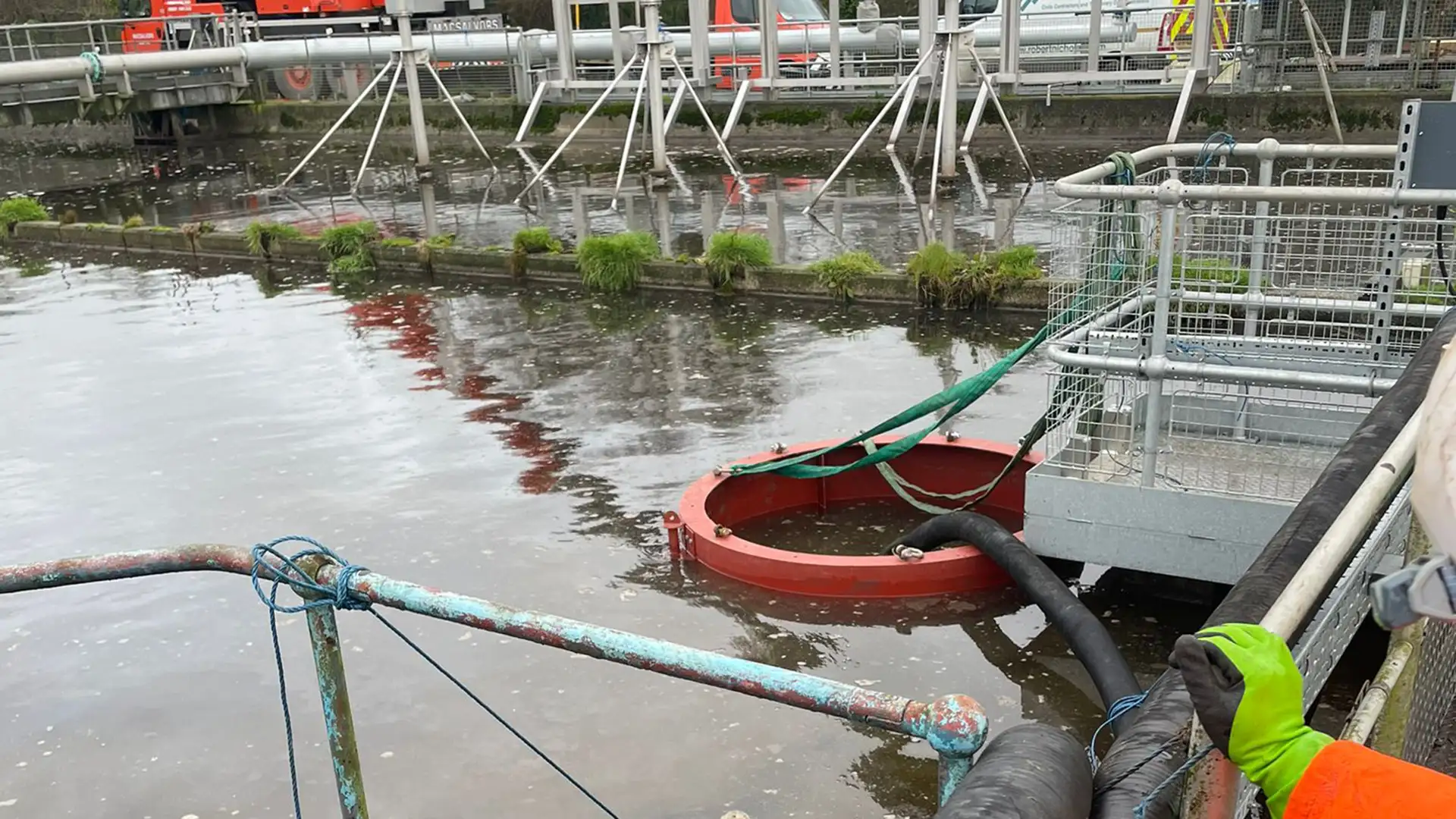
Limpet dams provide localised dry working space on live water assets, where flow can’t be stopped and sheet piling or diver-led methods are impractical or disproportionate.
They are designed for smaller, deeper, and constrained applications, allowing inspection, repair, and installation works to proceed safely while the surrounding river flows or asset remains fully operational.
By creating precise, temporary isolation only where it’s needed, limpet dams reduce disruption, simplify sequencing, and allow work to proceed with conventional construction techniques — without shutting down the wider system.
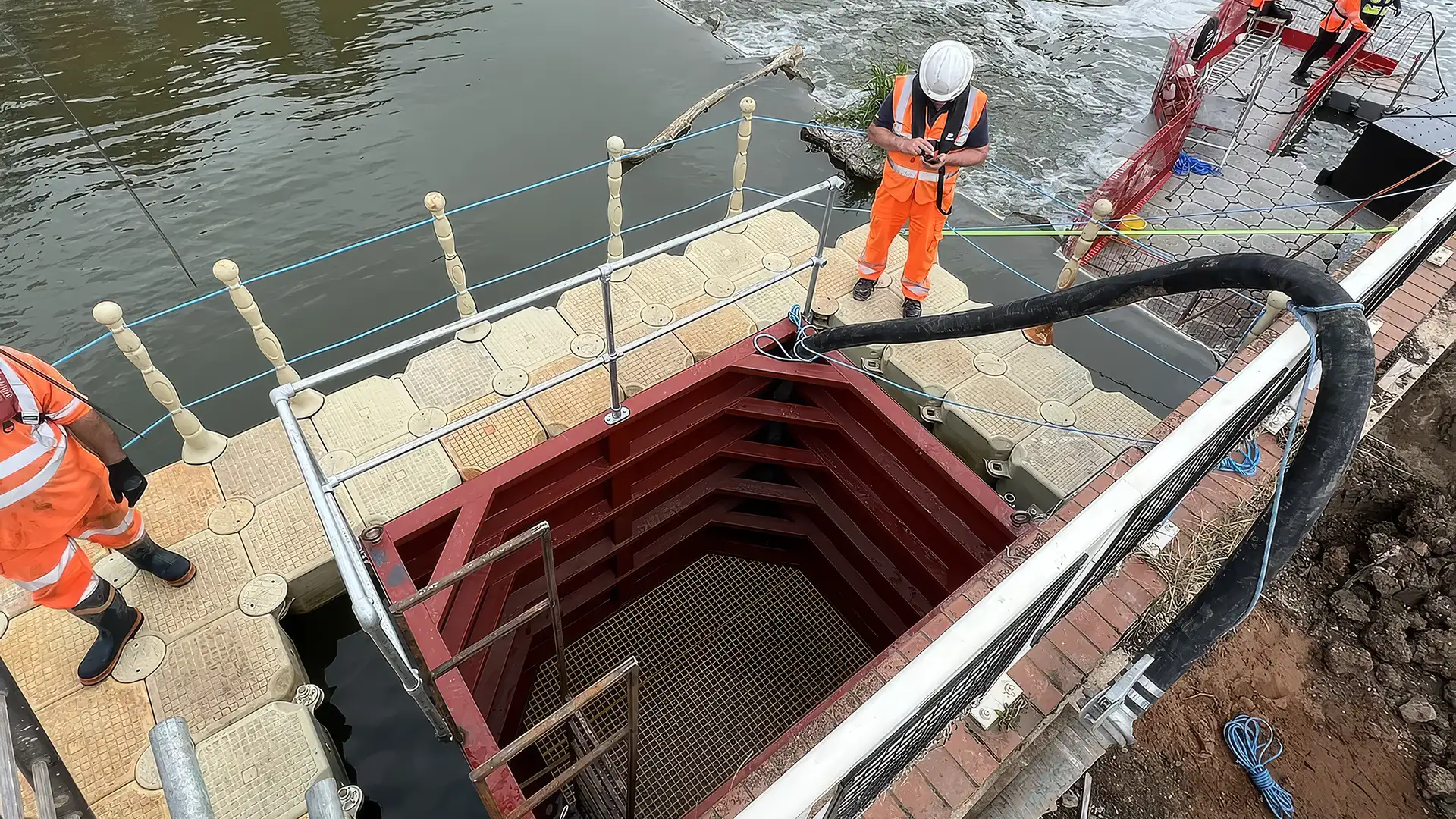
We don’t offer a “standard” limpet dam because constrained sites are rarely standard. We hold base modules in several configurations which can be adapted to suit the specific requirements of each project. High Water limpet dams are design-led: each deployment is informed by asset geometry, water depth, flow conditions, access constraints, and construction sequence.
Crucially, we are explicit about where limpet dams are appropriate and where they are not. Our focus is ensuring that our customers can build their projects — on time, to a high standard, safely — not shoe-horning your project into the capabilities of a standard system.
Design-led: each deployment configured to the specific asset and conditions.
Modular and adaptable: suitable for irregular structures, sloping faces, and tight footprints.
Low-impact by intent: designed to seal against existing surfaces without invasive fixing or damage.
Methodology-driven: integrated into confined space planning, temporary works design, and safe systems of work.
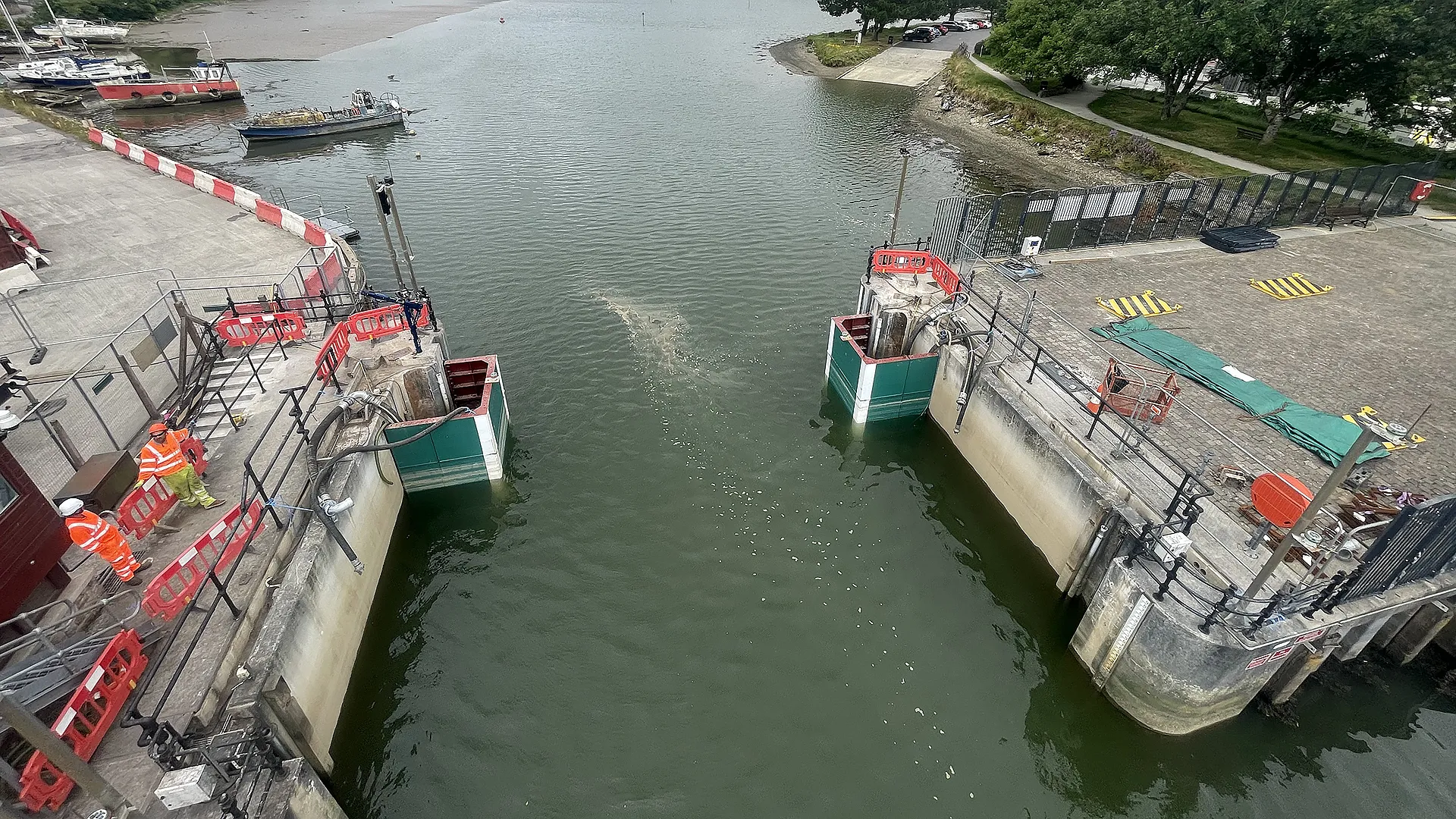
Targeted isolation for repair and maintenance at culvert faces, headwalls, and outfall structures in live watercourses.
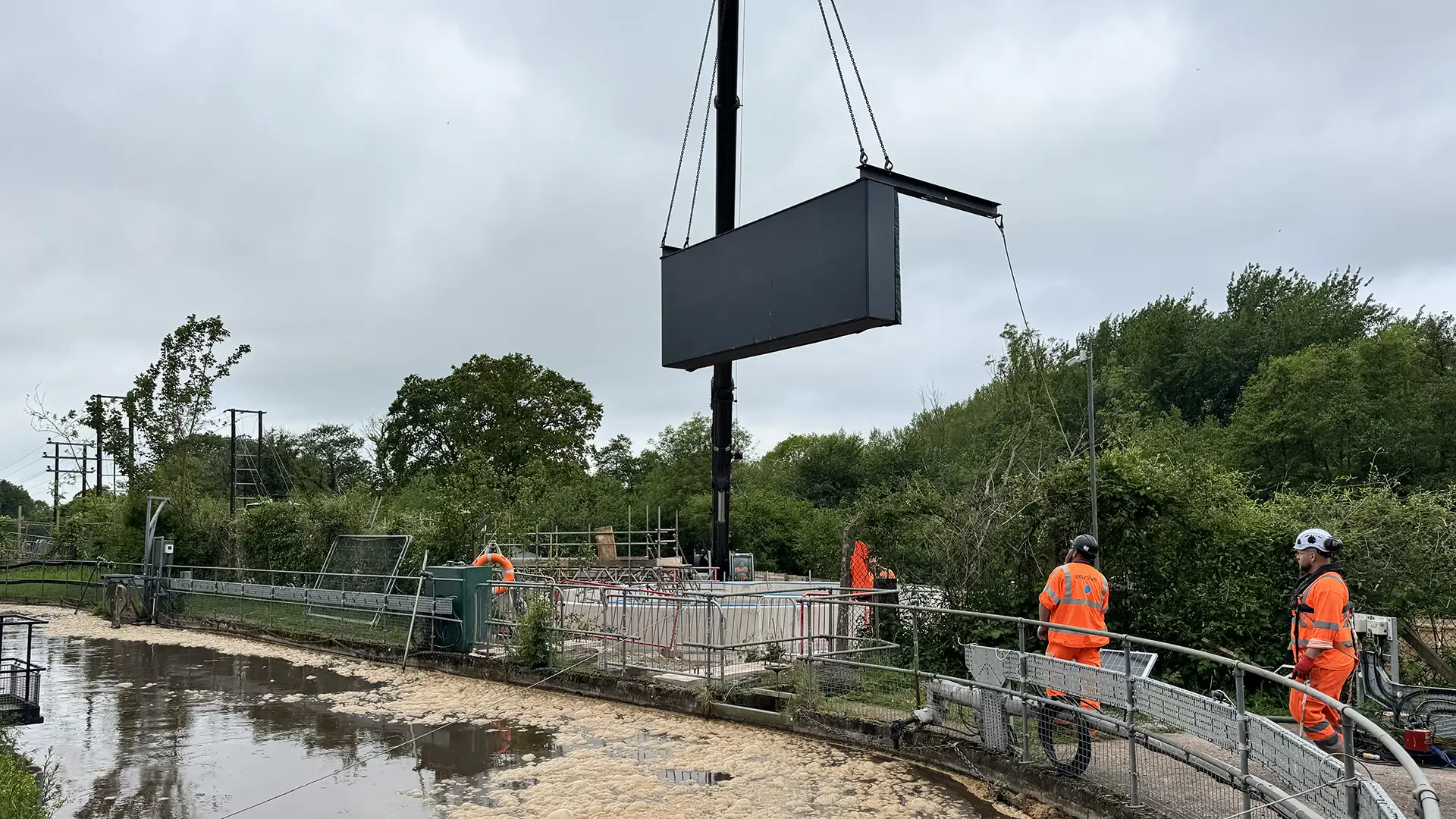
Localised works within wastewater treatment channels and tanks, allowing maintenance without full asset shutdown.
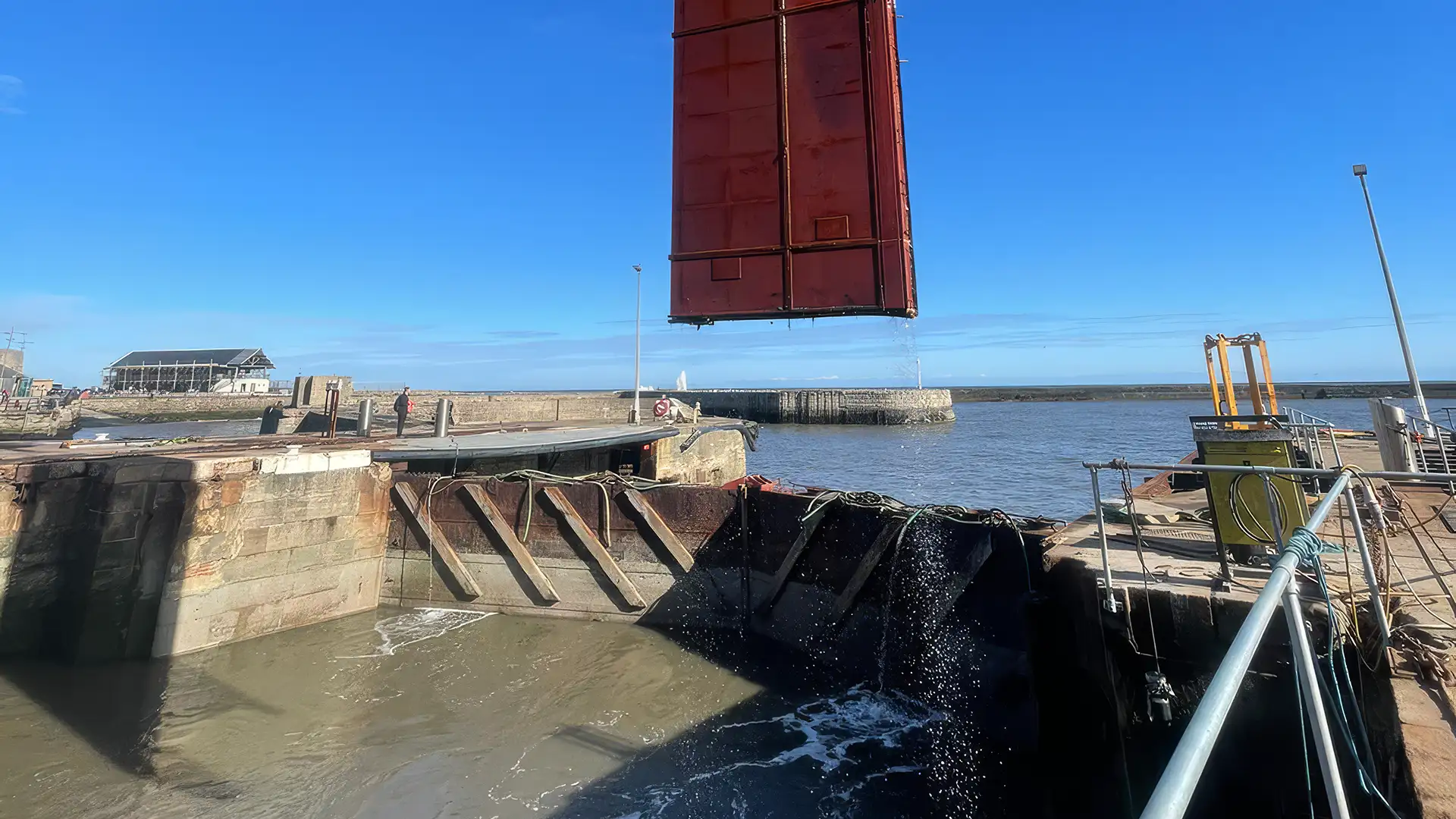
Safe access for works at weirs, penstocks, fish passes, and screen interfaces where flow cannot be interrupted.
Fast, targeted isolation for emergency or reactive works where time and risk management are critical.
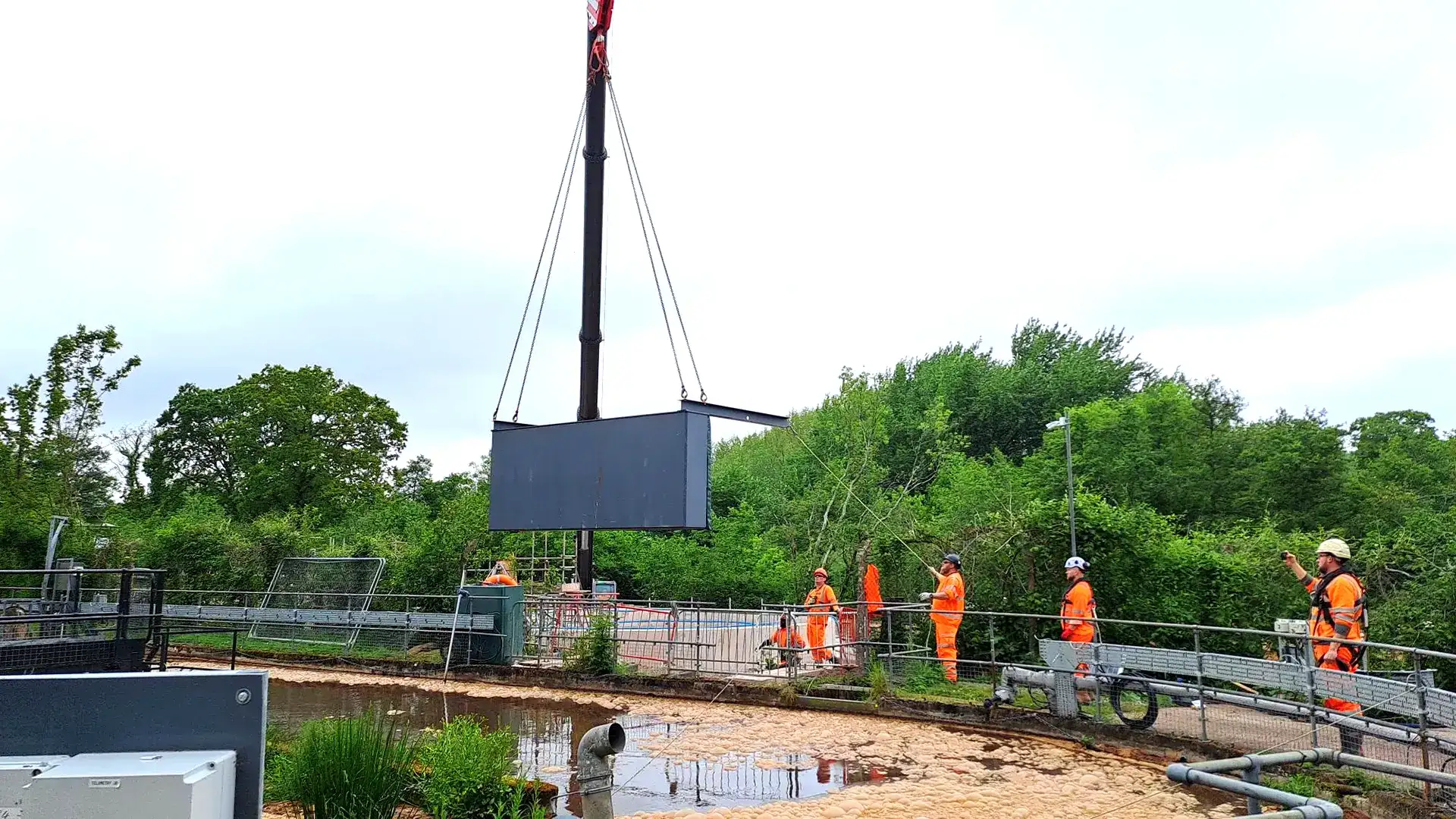 View Gallery
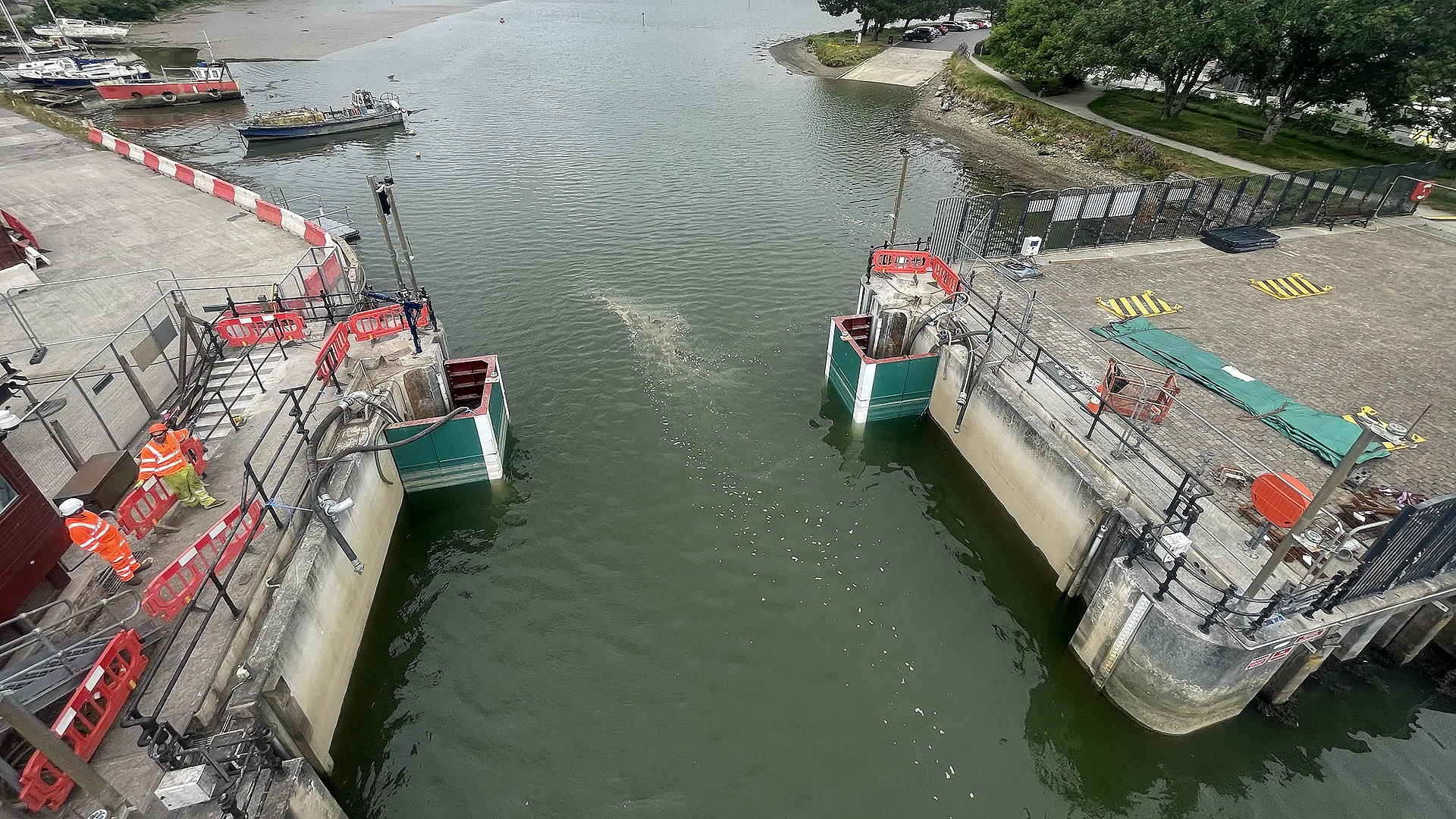
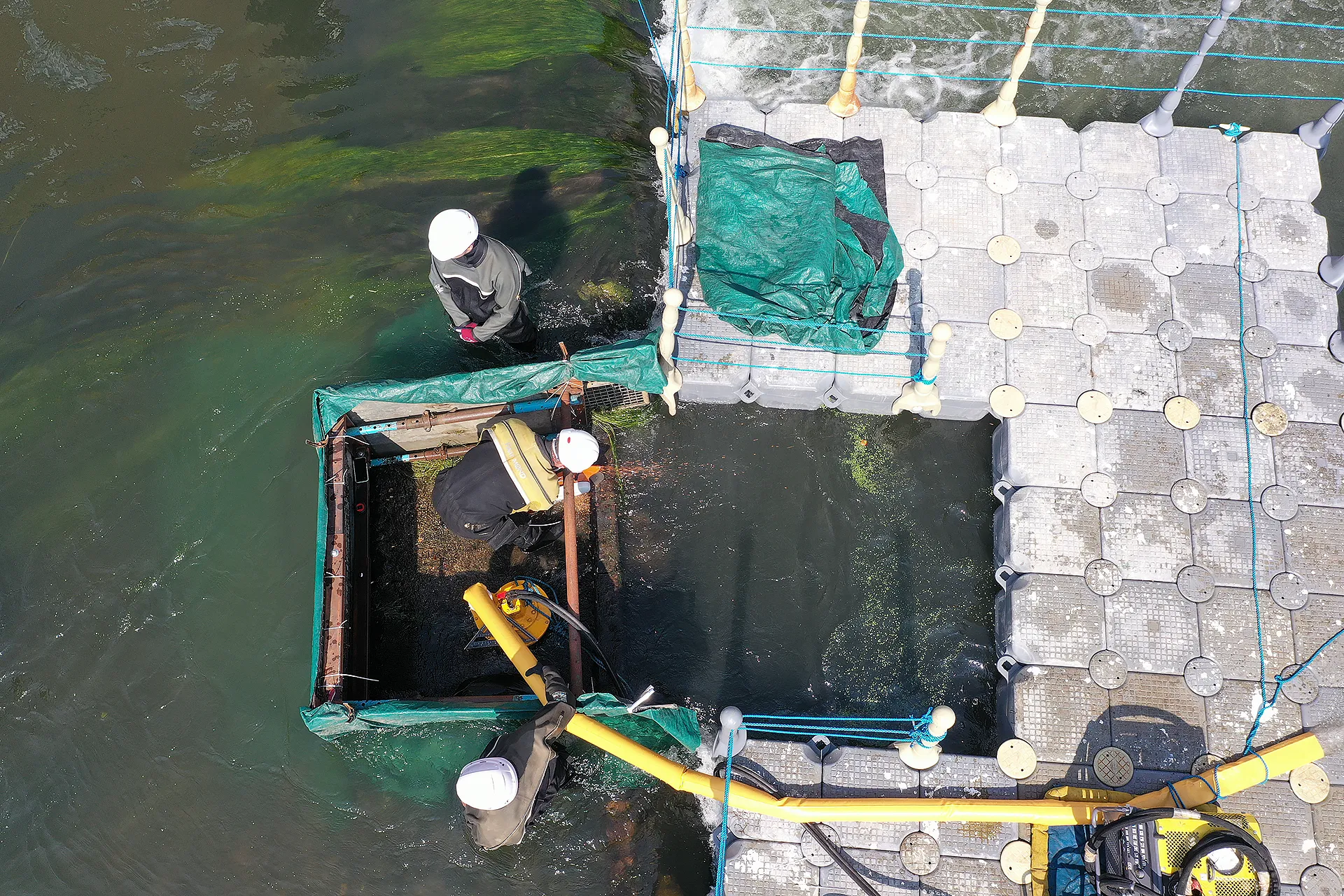
Eliminates the need for diver-led methods, partial or full asset shutdowns, or prolonged over-pumping
Designed to bear directly against existing structures, removing uncertainties associated with ground permeability and seepage
Multiple restraint methods — kentledge, mechanical anchorage, or cantilever action — selected by design, not preference
Precise isolation of small volumes, typically requiring less pumping capacity, shorter pump run times, and simpler control
Internally adaptable to support access platforms, stepped working levels, and safe movement within the isolated zone




If you’re facing a live water asset that can’t be shut down, and conventional methods feel high-risk or over-engineered, let’s look at the constraint properly. Talk to our engineers about safe, targeted access in live water environments.